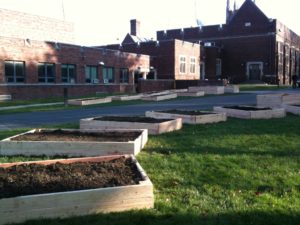
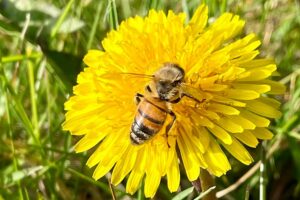
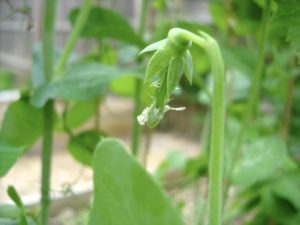
Collections of Edible Gardens and nascent Emerald Necklace Food Forests at each of the schools connect students to the natural systems and ecosystems (including worms and pollinators) that are prerequisites to life on Earth. Students, working with faculty and Edible Gardens Educators, grow the 10 Garden State on Your Plate produce items for the school year, among other crops, at each of the district campuses.
Each of the six school campuses is ripe for study and respite.
EDIBLE GARDENS
Each features existing Edible Gardens, tended by a part-time Edible Gardens Educator/Steward who connects and coordinates with faculty to illustrate and amplify curriculum on campus lands. EG Educator/Stewards also coordinate summertime care for the campus gardens, generally offering a week of harvest privileges to school families in exchange for watering and weeding.
Garden State on Your Plate 2026-’27
Garden State on Your Plate sm is a project of the Princeton School Gardens Cooperative, Princeton public schools, and Pomptonian Food Service, with generous support from Bent Spoon, Whole Earth Center, Lillipies Bakery, and Church & Dwight employee giving fund.
September – TOMATOES; Tree Fruit (Hispanic Heritage 9/15–10/15, Yom Kippur). Recipes
October – BEETS, Apples, Lettuces (Indigenous Peoples Day). Recipes
November – CRANBERRIES (Native American Heritage, Diwali 11/8; Thanksgiving 11/26). Recipes
December – SWEET POTATOES (Christmas 12/25; Hanukkah 12/4-12/12; Kwanzaa 12/26-1/1). Recipes
January – WINTER SQUASH; Frozen Blackberries (New Year’s Day & Mexican Independence Day 1/1; MLK Day 1/18). Recipes
February – COLLARDS; Crushed Tomatoes, Apples (Black History Month; Ramadan 2/7-3/8, Chinese New Year of the Goat/Ram 2/6). Recipes
March – ASIAN PEARS (Nowruz 3/20). Recipes
April – KALE; Frozen Blueberries (Arab Heritage Month). Recipes
May – BOK CHOY; Strawberries (Asian Pacific Islander Heritage Month). Recipes
June – BLUEBERRIES (Caribbean American History Month). Recipes
At elementary schools, there are grade-by-grade tours, tastings and lessons with curricular-specific plantings at each campus, with particular attention to growing foods for the Garden State on Your Plate produce calendar. All gardens work together, since each is in a microclimate of its own, and with its own student community, its own Edible Gardens Educator/Steward, and its own parent volunteers.
Elementary School Garden Education Programs
Over the last 20 years, the elementary school gardens in Princeton Public Schools have grown and blossomed into fully integrated garden education programs, with each school having a dedicated garden expert helping lead the program and each child in each school provided sustained garden experiences over the course of the school year.
Our students:
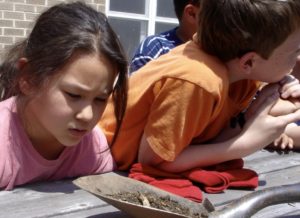
• learn hands-on, five-senses lessons directly linked to the K-5 core curriculum;
• stretch their minds and bodies while digging deep into enrichment topics in botany, horticulture, ecology, and artf;
• problem-solve using skills they are learning in subjects such as math, language arts, and Spanish;
• become inspired and empowered to make healthy and sustainable choices about nutrition and safeguarding the environment;
• build self-confidence, a sense of ownership in their schools, and a sense of connection to and purpose in their communities.
Our teachers:
• have access to an abundance of teaching opportunities right outside their classrooms;
• see immediate and sustained results and benefits for students of all learning styles;
• are winning acclaim in the community for their development of innovative garden-based programs.
Our community:
• enthusiastically supports the garden programs with both copious volunteer time and funding.
EMERALD NECKLACE FOOD FORESTS
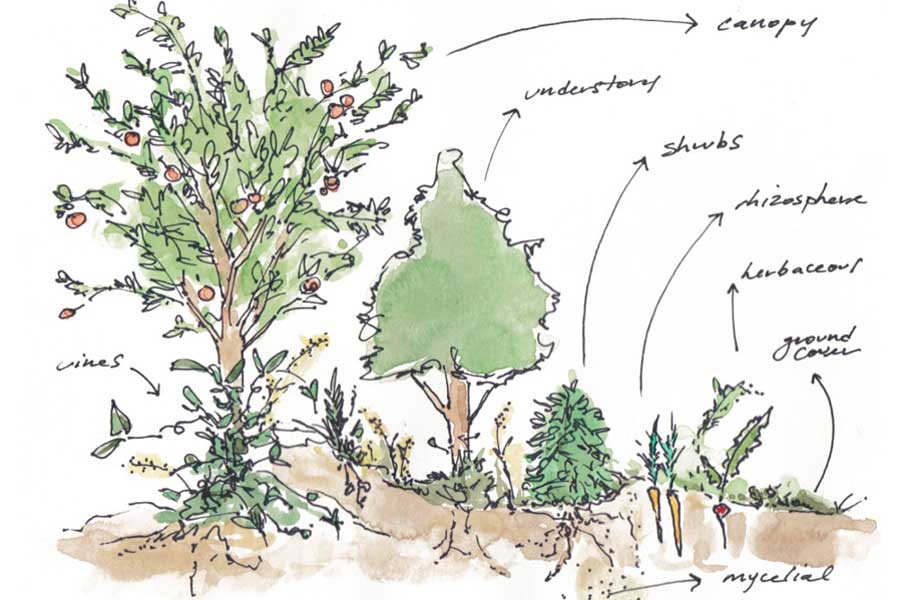
Plans are under way to connect the campus of Princeton High School with Princeton Middle School with an eight-layer food forest. Students, working with faculty and community experts, are adapting the “emerald necklace” linear system of linking parks and parkways designed by Frederick Law Olmsted to connect the Boston Common. PHS+PMS: Planting a Food Forest
The food forest concept incorporates and expands on Edible Gardens, adding site-specific plantings to each campus – including a collection of overstory and understory trees funded by a grant via Sustainable Princeton.
Planting, planting, and maintenance will be led by after-school coaches, and likely will begin with the front and side yards of Princeton Middle School. More to come on this as it develops!