
Finding flavor at the end of the rainbow

Chef Christopher’s Braised Rainbow Swiss Chard

6 garlic cloves, peeled
1 cup plus 1 tablespoon olive oil, divided
1 bunch rainbow Swiss Chard (about 1/2 pound), cleaned, with stems cut away from leaves
2 leeks
1 cup verjus* or white grape juice
2 cups    vegetable stock (or chicken stock)
4 sprigs fresh thyme, or 1/4 teaspoon dried
1 bay leaf
Salt and freshly ground black pepper to taste

  1. In small saucepan, simmer garlic in 1 cup of olive oil until soft. Drain oil from garlic, reserving oil.
  2. Clean leeks: Cut white part of leeks into coins about 1/4 inch thick and float them in a bowl of cold water. Agitate to help sand fall to the bottom. When clean, remove leeks, drain and pat dry.
  3. Cut Swiss chard stems into uniformly sized pieces: squares or sticks.
  4. Place remaining olive oil in heavy-bottomed pot. Add leeks and cook on low heat until they are tender, about 10 minutes. Season to taste.
  5. Add the cooked garlic and about 1 tablespoon of garlic oil.  When garlic becomes aromatic, add verjus and simmer until liquid is reduced to half of its original.
  6. Add the vegetable stock, tie the thyme and bay leaf together with some kitchen twine and add to stock. Return to a simmer.   Adjust seasoning.
  7. In the meantime, bring a medium sized pot of salted water to a rolling boil.  Add stems and cook for two minutes, then remove them from the water and add to the leek mixture. Simmer for two minutes.
  8. Add greens to boiling water; remove after 15 seconds, drain and add to leek mixture. Adjust seasonings, remove herb bundle and serve.

VARIATION: Braised Rainbow Swiss Chard with Bacon: Cut 2 ounces of bacon or pancetta into postage-stamp sizes. Cook over medium heat until almost crisp. Add to cooked leeks at the end of step 5.

*Verjus is the bottled juice of unripe grapes.
Mapping good food across U.S.

AgDevONLINE had collected maps and databases detailing the food system infrastructure across the country, including those showing food policy council locations, watersheds, farms and CSAs (community-supported agriculture efforts), farm to school programs, farmers’ markets, and mobile meat processing units.

Corraling free mulch for gardening

Sustainable Princeton and the Princeton Environmental Commission are seeking 50 households in the Township and Borough to volunteer for a demonstration leaf corral project. Each household will receive free materials and instructions for installing a backyard leaf corral. The sides of the corral are typically 5′- 8′ in length and leaves are piled to a height of 3′ within the enclosure.  Leaf compost from the corral can be used as mulch or as a soil supplement for your gardens. Keeping leaves off the street improves safety and drainage along our roads, saves public money spent on collecting and disposing of leaves, and saves you time and effort in bagging leaves. To sign up, visit the Sustainable Princeton website. – Diane Landis

Filmmaker captures pupils’ interview of chef

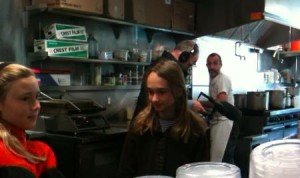
Chloe Koehler and Ruth Schultz, both 5th graders at Community Park Elementary School, were filmed by documentary filmmaker Jerry Tully as they interviewed chef Alex Levine about the beet soup he plans to serve at their school for the next Garden State on Your Plate tasting.

Chef Alex invited the students to watch him make the soup in the kitchens of Whole Earth Center, which specializes in organic and locally available produce in season. The beets were grown by Matt Conver, of Cherry Grove Organic Farm in Lawrenceville. Here's his recipe:

Chilled Beet and Orange Soup
Makes 2 quarts, or 8 cups

INGREDIENTS
1 tablespoon vegetable oil (soy, corn, sunflower, canola or other neutral-flavored oil)
1 cup diced yellow onions
Pinch of salt
1/2-inch piece ginger, peeled and minced
5 cups diced raw beets
1 cup diced carrots
1 quart water
1/2 teaspoon salt
1/4 teaspoon black pepper
1 Tbsp. miso (fermented soybean paste, optional; add 1/2 teaspoon of salt, as substitute)
2 cups freshly squeezed orange juice

1. In a heavy bottomed saucepan, heat the oil and sauté onions and ginger with a pinch of salt until the onions are soft and translucent.
2. Add carrots, beets, water, salt, and pepper. Bring to boil and allow to simmer, covered, until the vegetables are very, very tender.
3. Allow to cool for about 30 minutes, stir in miso (or additional salt to taste), and purée the soup, using immersion blender, standard blender or food processor. If using a regular blender, strain and reserve the liquid, then purée the vegetables in the blender with only as much liquid as is necessary to get the job done.  Then return any extra liquid to the soup.
4. When soup is cooled to room temperature, stir in orange juice. Chill before serving.

For power to the pupils, put veggies on the plates

The Nutrition Action Healthletter, published by the Center for Science in the Public Interest, ranks vegetables according to nutrient content. Kale led the list, followed by spinach, collard greens, turnip greens, Swiss chard, canned pumpkin, mustard greens, sweet potato, broccoli and carrots. Others among the “superstars” listed were romaine lettuce, red bell pepper, curly endive, brussels sprouts, butternut squash, green pepper, peas and bok choy.

Chef gives local tomatoes top billing at Littlebrook tasting

Chef Gary Giberson entertained and fed students, their parents and their teachers at the first Garden State on Your Plate tastings at Littlebrook  Elementary School and Community Park School. Here’s his recipe:

Chef Gary’s Salsa Picante
Makes about 2 cups

INGREDIENTS
12 ounces tomatoes (2 medium ripe) cored and diced
3 serrano chiles, minced, stem and seeds removed (optional)
1 large garlic clove, minced
1 small white onion, diced
12 sprigs of cilantro, minced
2 tablespoon olive oil
1-1/2 teaspoons fresh lime juice
salt to taste, about 1/4 teaspoon

1. In a mixing bowl combine all ingredients and mix well.
2. Let salsa stand a few minutes for the flavors to meld.
3. Taste for seasoning, adjust if needed and then serve.

Gary D. Giberson is executive chef at the Lawrenceville School, Lawrenceville, NJ, and executive chef and owner of Sustainable Fare.


NJ firm partners with NYC hotel to compost food waste

With help from IESI, a New Jersey-based waste management company, the Grand Hyatt Hotel in New York has succeeded in composting about 90 percent of its food waste, creating a soil supplement and reducing landfill contributions at the same time.

Originally, Diana Beltran [environmental development manager] told the staff she hoped to divert just one percent of the kitchen’s food waste into composting.

“If you put it that way, you put less pressure on the duties you’re adding to work,” she said. “They are more passionate about it. You’re going to do it because it’s the right thing to do. There were no expectations, just more than we were doing than before.”

Garden State on Your Plate: Linking farm to school

Members of the Princeton School Gardens Cooperative are pleased to share with you news of a Farm to School pilot program at Community Park Elementary School and at Littlebrook Elementary School.

The Farm to School pilot program, funded by a $30,000 grant from the Robert Wood Johnson Foundation, will bring fresh produce and products from local farms into schools’ cafeterias, where local chefs will prepare recipes for tastings for the students, their parents, plus school employees.

The program is designed to feed students’ needs for fresh food and to begin to link for them the food they eat to the Garden State and to the larger world. Further, it will forge new bonds between schools, the community and local farmers.

Each of the four chefs – Chris Albrecht, Eno Terra Restaurant, Kingston; Alex Levine, Whole Earth Center, Princeton; Stu Orefice, director of dining services, Princeton University; and Gary Giberson of Sustainable Fare and executive chef at The Lawrenceville School – will appear at your school twice during the 2010-11 school year.

Other aspects of the program throughout the year include:

  • Farmers’ visits to schools;
  • Regular communication with parents via backpack notes and recipes to encourage their participation;
  • Plate-waste tracking to see what foods children favor;
  • Chefs’ recipes using Garden State produce;
  • Facilitating related field trips – one on the bus, and others, walking (at your convenience);
  • Scheduled tastings in the classrooms;
  • Make available supporting resources – films, books, etc. – about food and health,agriculture and the local economy;
  • Taking steps to institutionalize the Princeton Board of Education’s commitment to the state-mandated District Wellness policy now revised by the PRS Wellness Committee (draft version here);
  • Ongoing tweets and a blog (www.psgcoop.org); and,
  • Creation of a documentary designed to help other schools in their Farm to School efforts.

In addition to generous support from the Robert Wood Johnson Foundation for this program, our school gardens, curriculum and education efforts also are supported by a local foundation and by the Garden Club of Princeton, the Garden Club of America-NJ, Whole Earth Center, small world, bent spoon ice cream, Terra Momo Restaurant Group, Windsor Compost, Belle Mead Co-op, and countless parents, teachers and administrators.

New guide to central NJ farmers’ markets

A new 199-source listing of local foods, “Farm Markets of Central New Jersey,” is now available for purchase. The publication, produced by the Conservation Committee of the Garden Club of Princeton, tells readers where to find local produce, meats, poultry, cheese, wine – and what’s in season in Burlington, Hunterdon, Mercer, Middlesex, Monmouth and Somerset counties. Proceeds from the $10 guide will be donated to Farmers Against Hunger, a group that distributes donated produce from New Jersey farmers to soup kitchens and food pantries around the state. For more information about the guide, write farmersmarketscnj@gmail.com. And for a listing of community farmers markets, roadside stands and pick-your-own listings, visit www.jerseyfresh.nj.gov.  For agritourism opportunities in New Jersey, visit www.visitnjfarms.org.

Center for Ecoliteracy

The Center for Ecoliteracy pioneered work with school gardens, school lunches, and integrating ecological principles and sustainability into school curricula. The CFE works toward schooling that returns to basics: engaging with the natural world, understanding how nature sustains life, nurturing communities, and exploring consequences of how we feed and provision ourselves.