Greening the courtyards

As construction continues at Princeton High School, the Edible Gardens remain in storage, leaving fewer opportunities for students to connect with nature in a delicious way. So we celebrate the Princeton High School teachers who are working with Princeton Education Foundation “to transform the courtyards within the high school building into spaces where students can take a breath in natural surroundings.” Town Topics writes: 

The teachers, Paula Jakowlew, Cynthia Bregenzer, Keith Dewey, Joseph Gargione, Bryan Hoffman, and Bridget Schmidt, will design, organize and implement “The Natural Wellness Project,” which will include plants, trees, flowers, artwork, seating, and meditative spaces. Later phases of the project include a cafe courtyard. Students may gain community service credit for helping to implement the design.


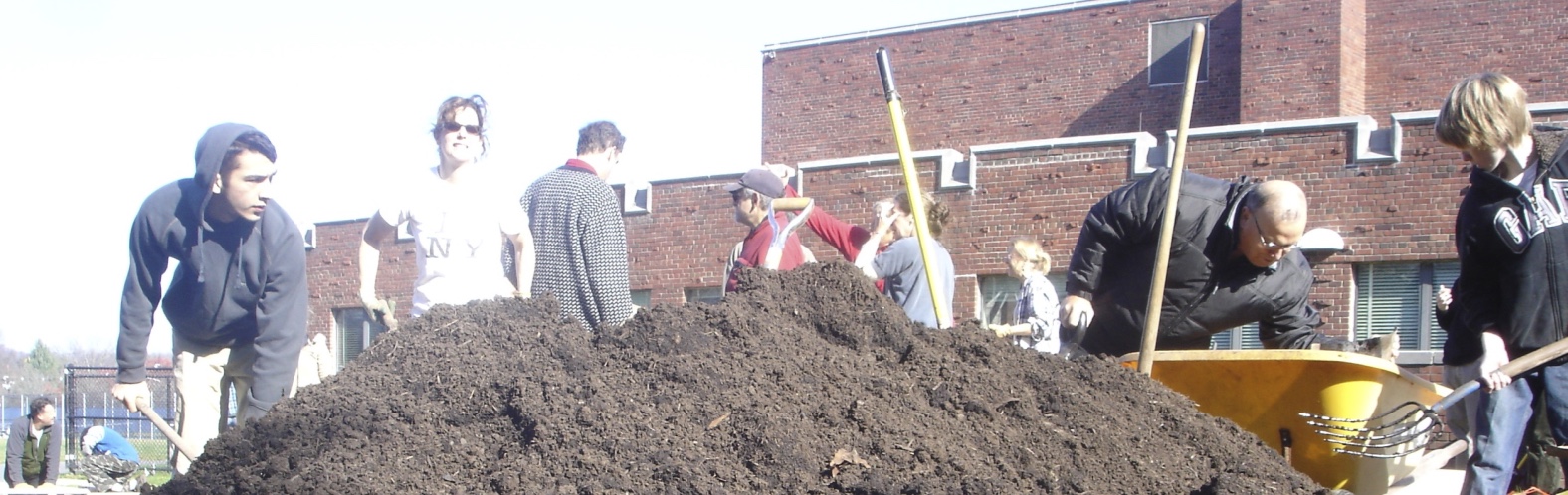
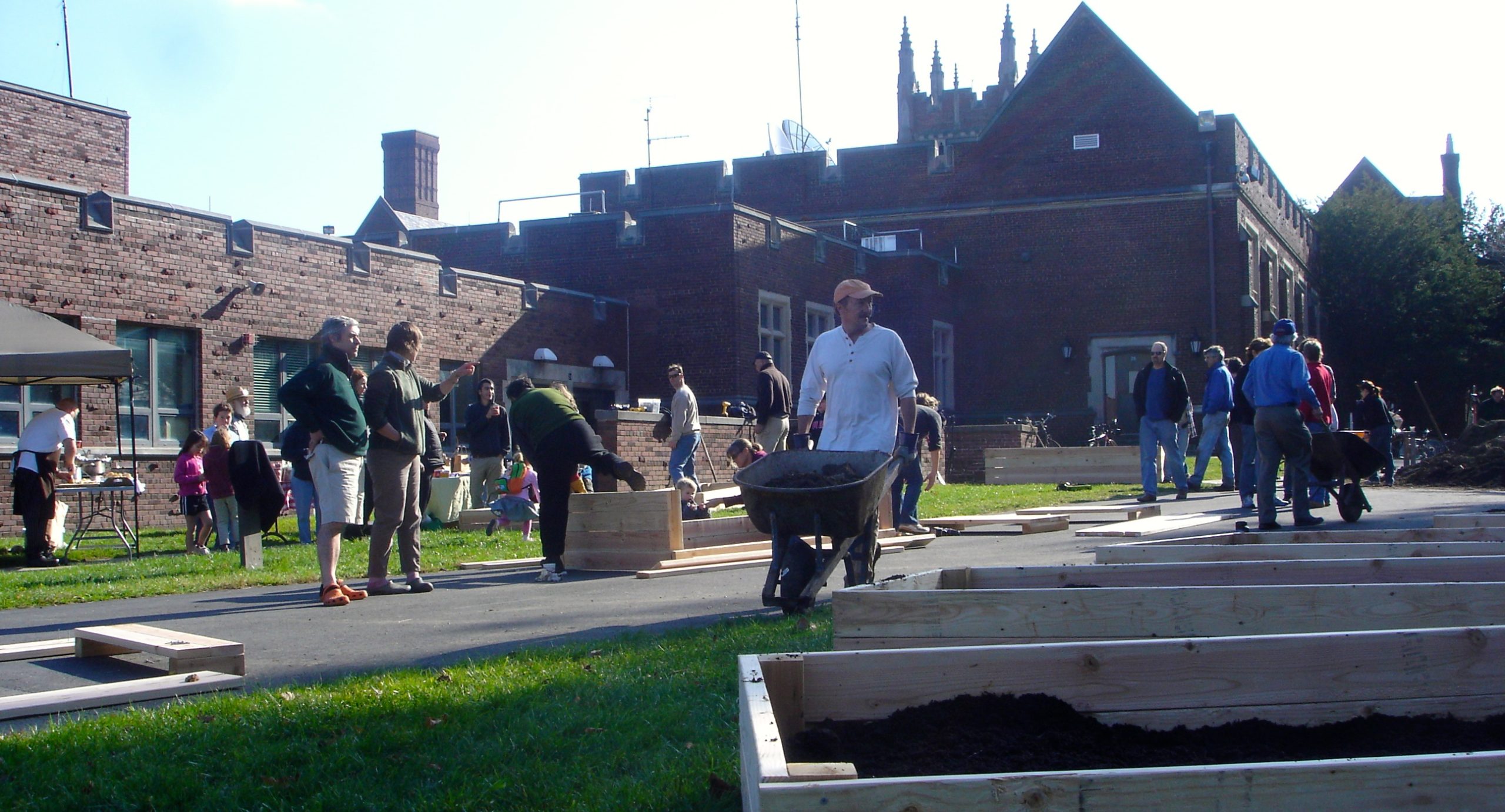
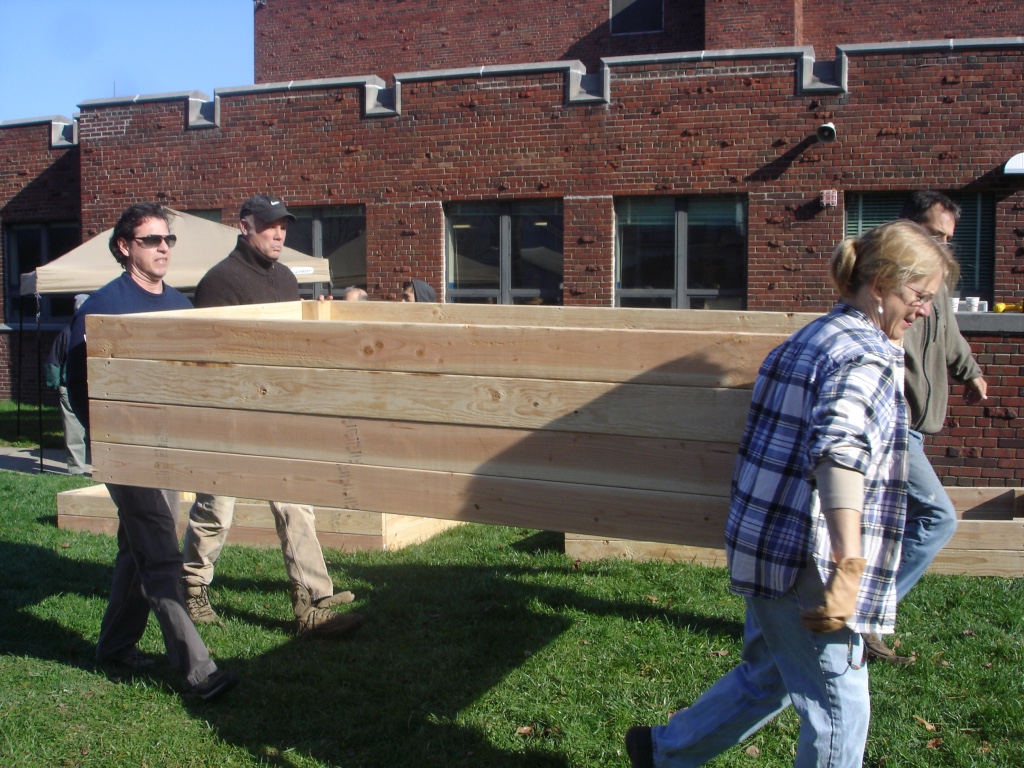
Here’s a throwback to 2009 and the PHS Edible Gardens raising, when PSGC and some 75 community members showed up to build and fill 13 raised garden beds in a day: 


School-grown greens in winter?

Edible gardens at Littlebrook are expanding to the school lobby. As Anne Levin writes in the Town Topics piece: 

In the lobby of Littlebrook Elementary School, two white, vertical fixtures will soon be covered with green. They are part of a recently installed hydroponic garden, designed to allow students who tend the raised bed gardens outside to continue their efforts indoors, during the winter months.The installation is a pilot program of Send Hunger Packing Princeton (SHUPP), which founder Ross Wishnick hopes to expand.

April 2021

Riverside is excited about the upcoming Garden State on Your Plate list – sweet potatoes & strawberries are favorites. An upcoming project with Rutgers: 250 seeds for a statewide Master Gardener trial to determine preferred pruning practices by weighing harvests.

Edible Gardens will again rent Mason Bees again and soon will share last spring’s videos. Has offered STEAM programming to Riverside PreK in coordination with the Science/STEAM teacher, but with less than half the children in school, it’s a challenge. Plans are to continue the after-school garden sessions.

Garden beds in storage during construction

Repairs and renovations put the Edible Gardens at Princeton High School in a construction pathway, so several of the raised garden beds were put into storage. There are two raised beds/boxes that Principal Jessica Baxter calls the Memorial Gardens, on the west side of the school. Topsoil, taken from the garden area, is there as well. The area outside the English office is planted with edibles and is near a water supply.

Ravishing radishes in school gardens

radish podsDuring May, 2015, the Garden State on Your Plate program of the Princeton School Gardens Cooperative hosted radish tastings on Wednesdays in the four elementary schools. Since I am the school garden educator for two of those schools, I had the chance for some garden serendipity, tying in our school garden radishes to the radishes being experienced in the cafeteria.

It began with an email from Fran McManus with an idea for planting radish seeds in transparent containers, which would allow students to observe the development of both the root—the radish—and the leaves.  My sister had donated a bunch of transparent plastic gelato containers, so I had Community Park School third graders fill them with potting mix, then carefully plant radish seeds adjacent to the outer walls, so we could watch them grow.  As an added bonus, we planted half purchased seeds, and the other half were seeds saved by Kindergartners from the Community Park garden itself, to see which would grow better.

By the time we planted the radishes in the jars, there were already Kindergarten radishes coming along nicely in one of the Community Park beds.

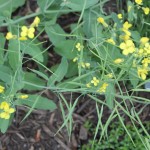
I checked both the jarred radishes and the garden bed radishes a couple days before the tasting.  The jarred radishes showed nary a sign of any radish root development, just some disappointing white roots.  The gardened radishes were reaching the point of woodiness, but they were lovely on the outside, and some were developing flowers, which, I knew from talking with Charlie Thomforde, the wonderful Trent House gardener, would soon turn into sweet little radish pods, tasty if we got to them before they fully went to seed.

So, on radish tasting day, all the Kindergartners met out in the garden to pick three radishes, one for each class to present to Joel Rosa, Nutri-Serve food service director for PPS.  Why only three?  I explained to the kids that I wanted the rest to go to pods, which we could pick.

He was wonderful with the kids, and was duly impressed when he learned that we were planning to eat radish pods soon.

A week or so later, radish tasting came to Littlebrook School, my other K-5 school.  I was so excited on that day to discover that our forage radishes, which fourth graders had planted as part of a cover crop mix (more on that another time) were going to lovely delicate pods.

All three fourth grade teachers responded enthusiastically to my request to bring their classes out for a brief picking and tasting of pods.

I asked the students to answer three questions:

  • Did the pods taste like the radishes they had tasted earlier that day in the cafeteria?
  • If so (or even if not), were the pods milder or spicier than the radishes they had already tasted?
  • If not like radishes, what did the pods taste like?

Very few students—or I, for that matter—actually thought the pods tasted like radishes.  Everyone thought they were milder.  Many students thought the pod tasted like a mini green bean or a pea pod.  I can’t remember all the other answers.

The garden is nothing if not a place for serendipity!
Princeton goes chard-core

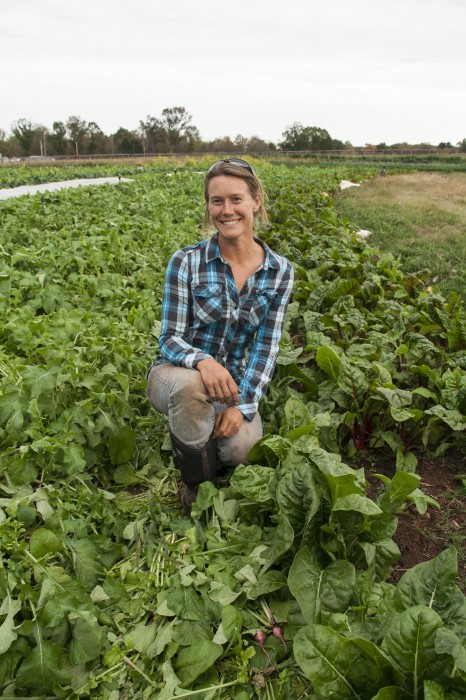
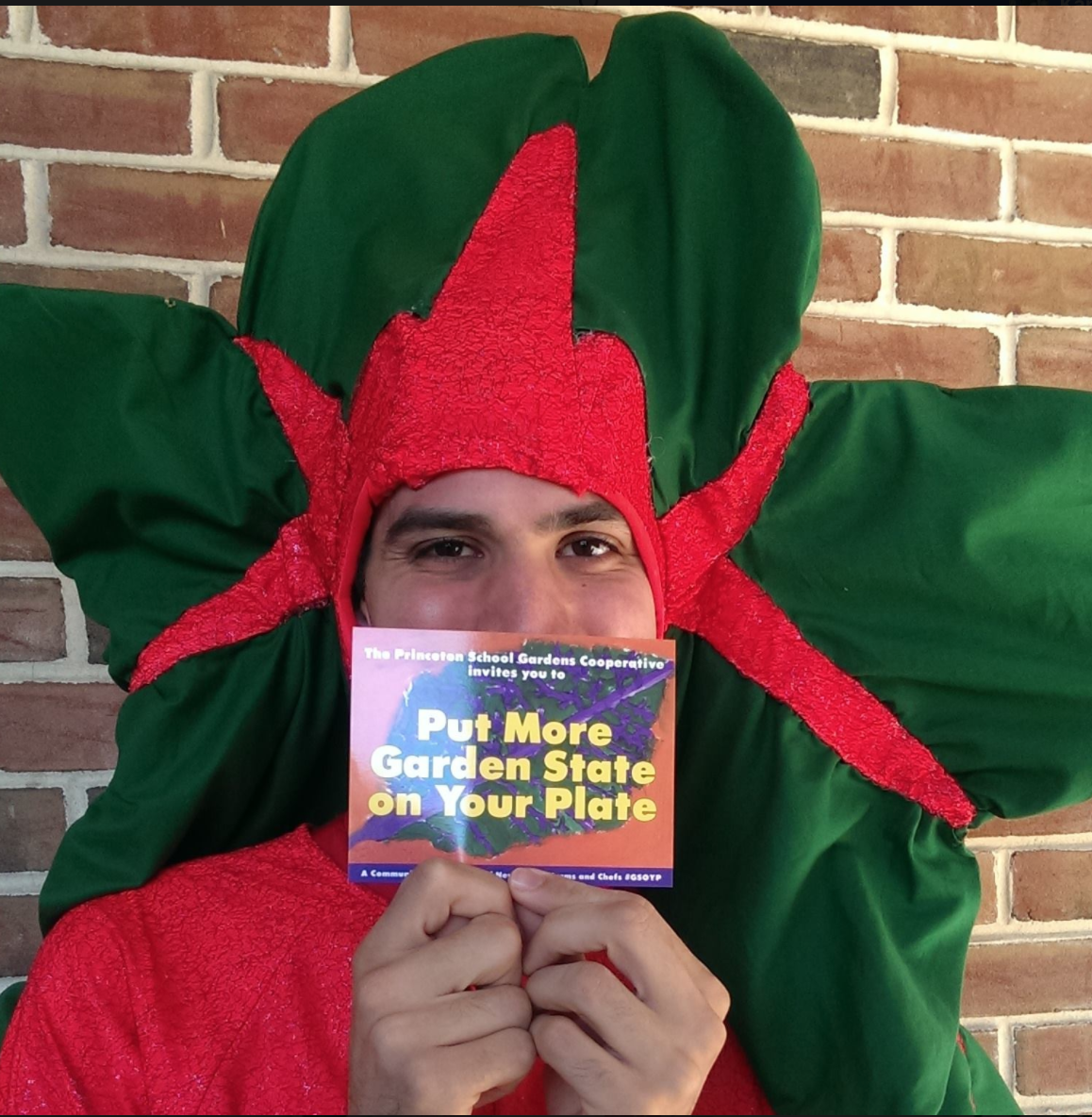
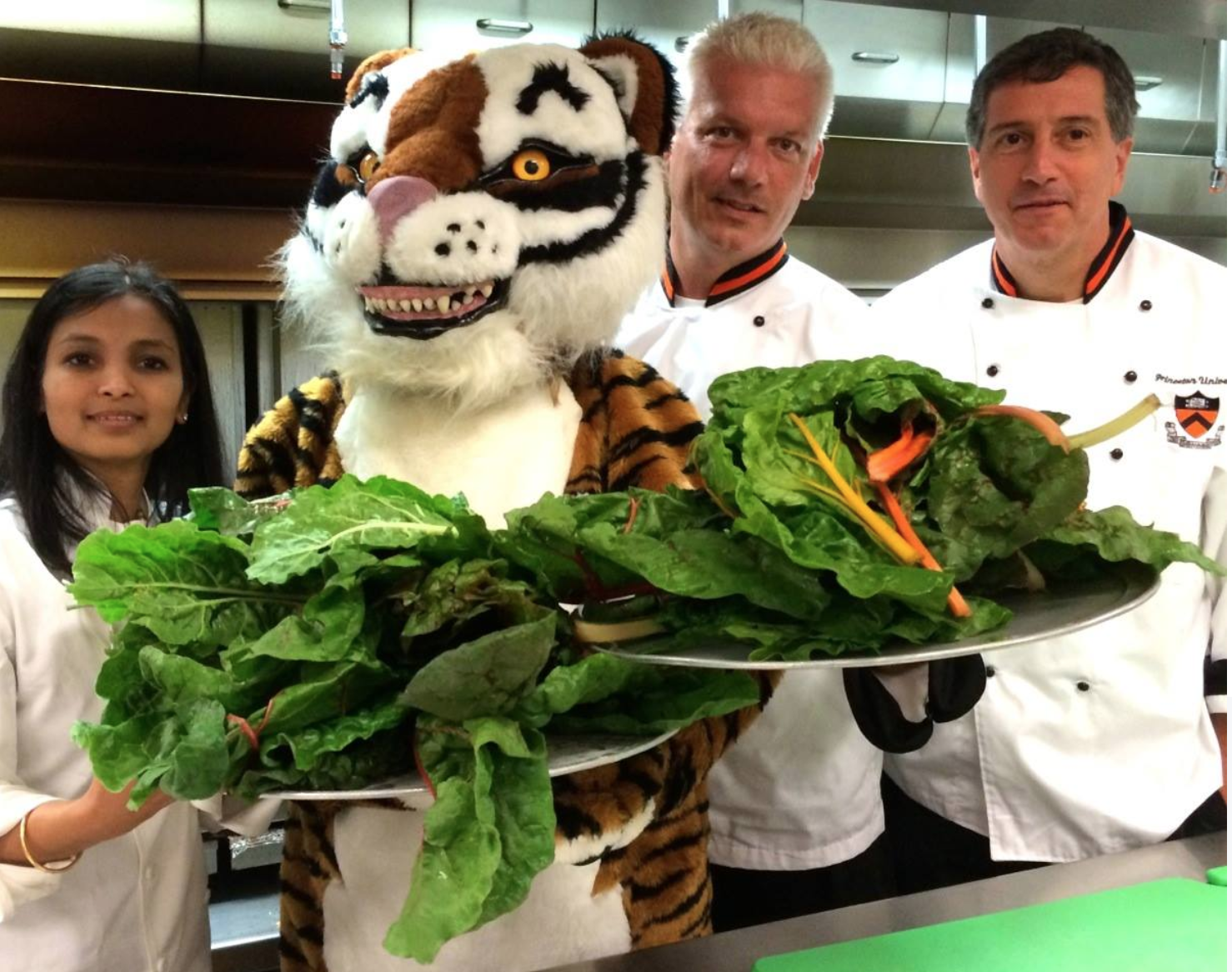
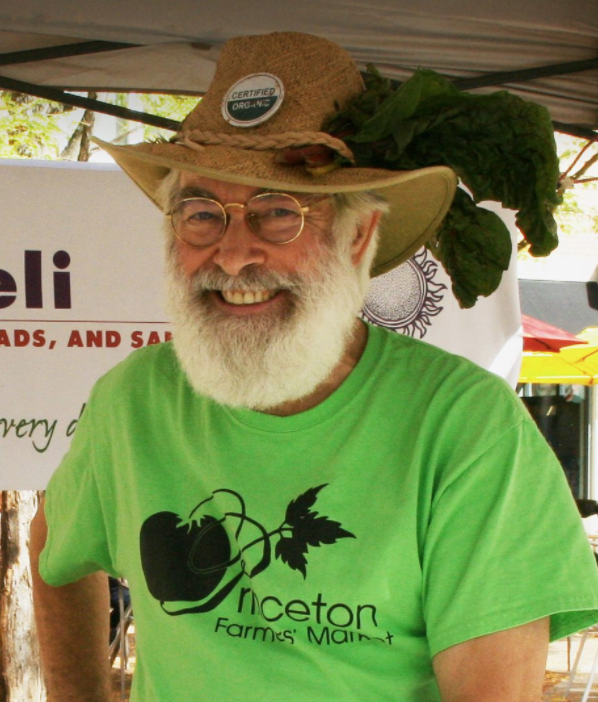
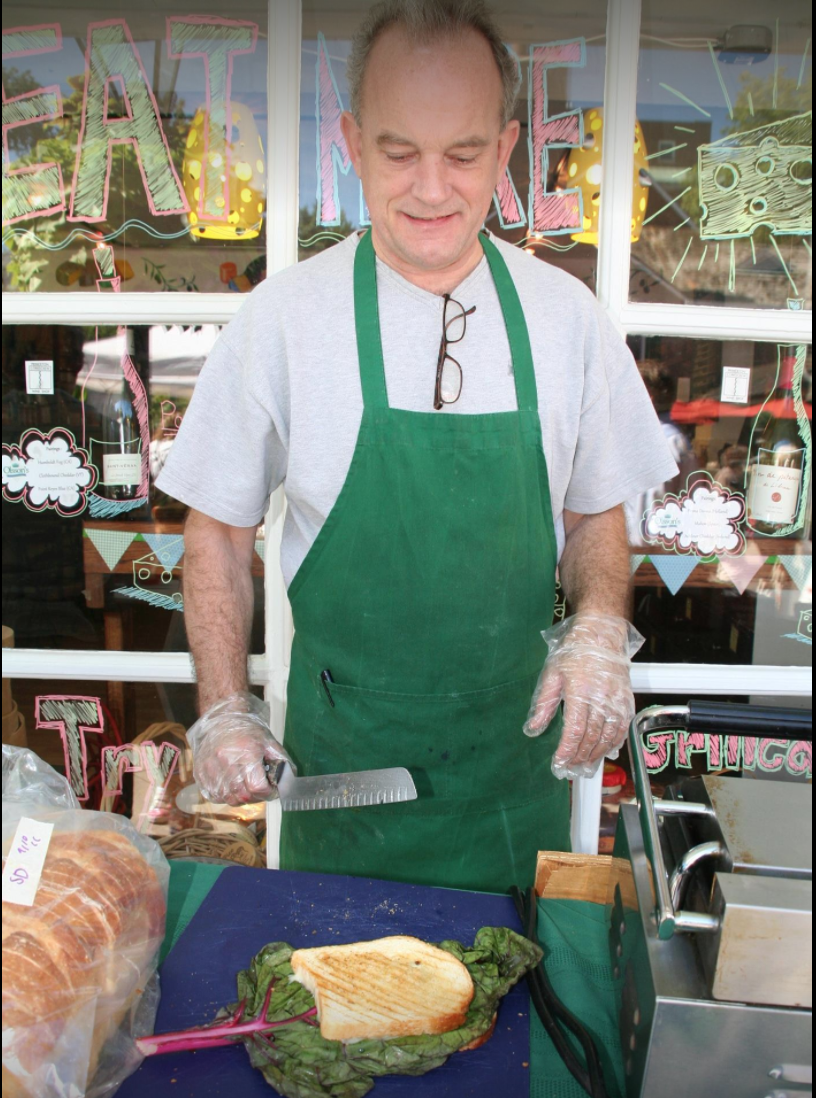
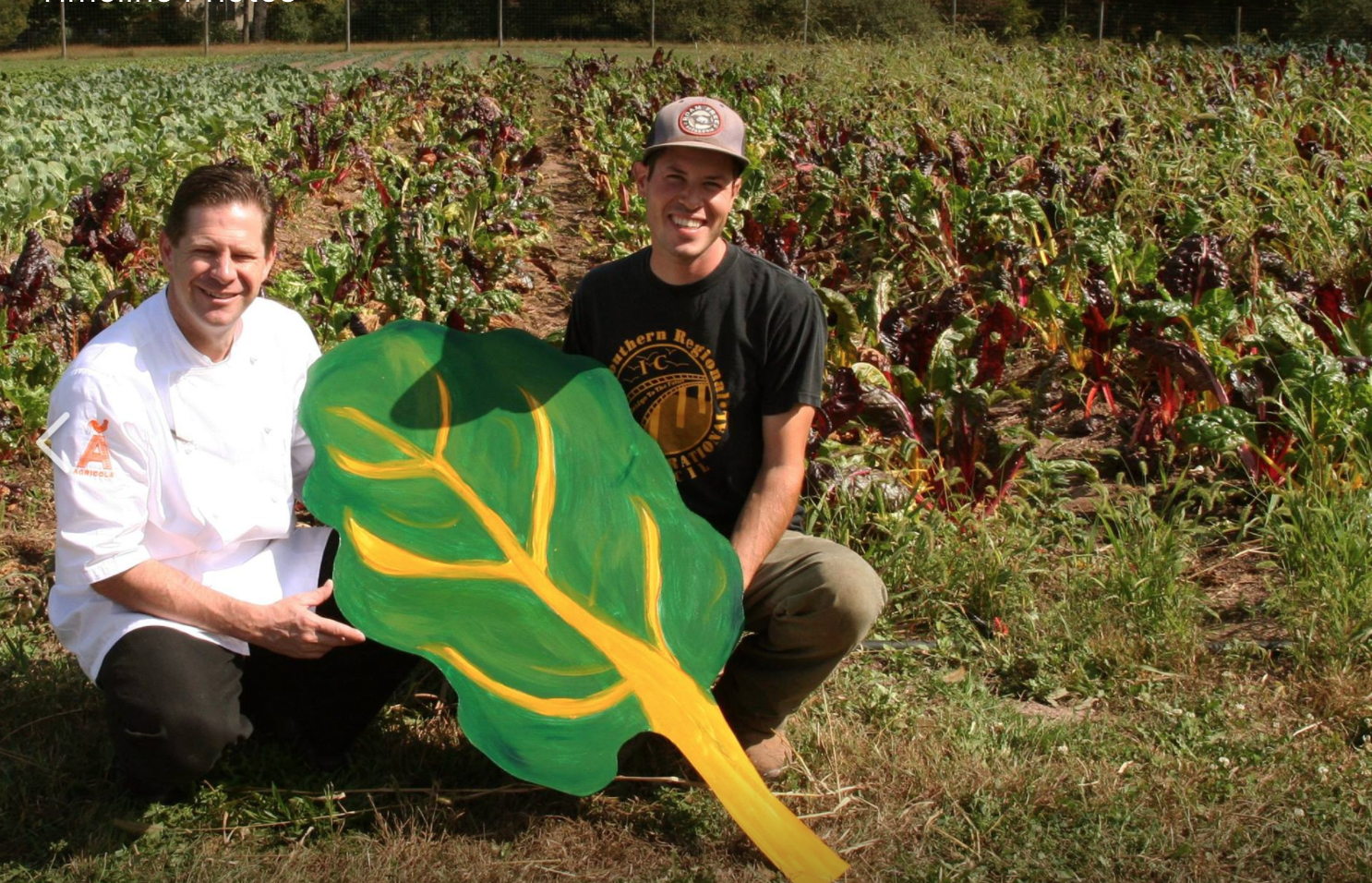
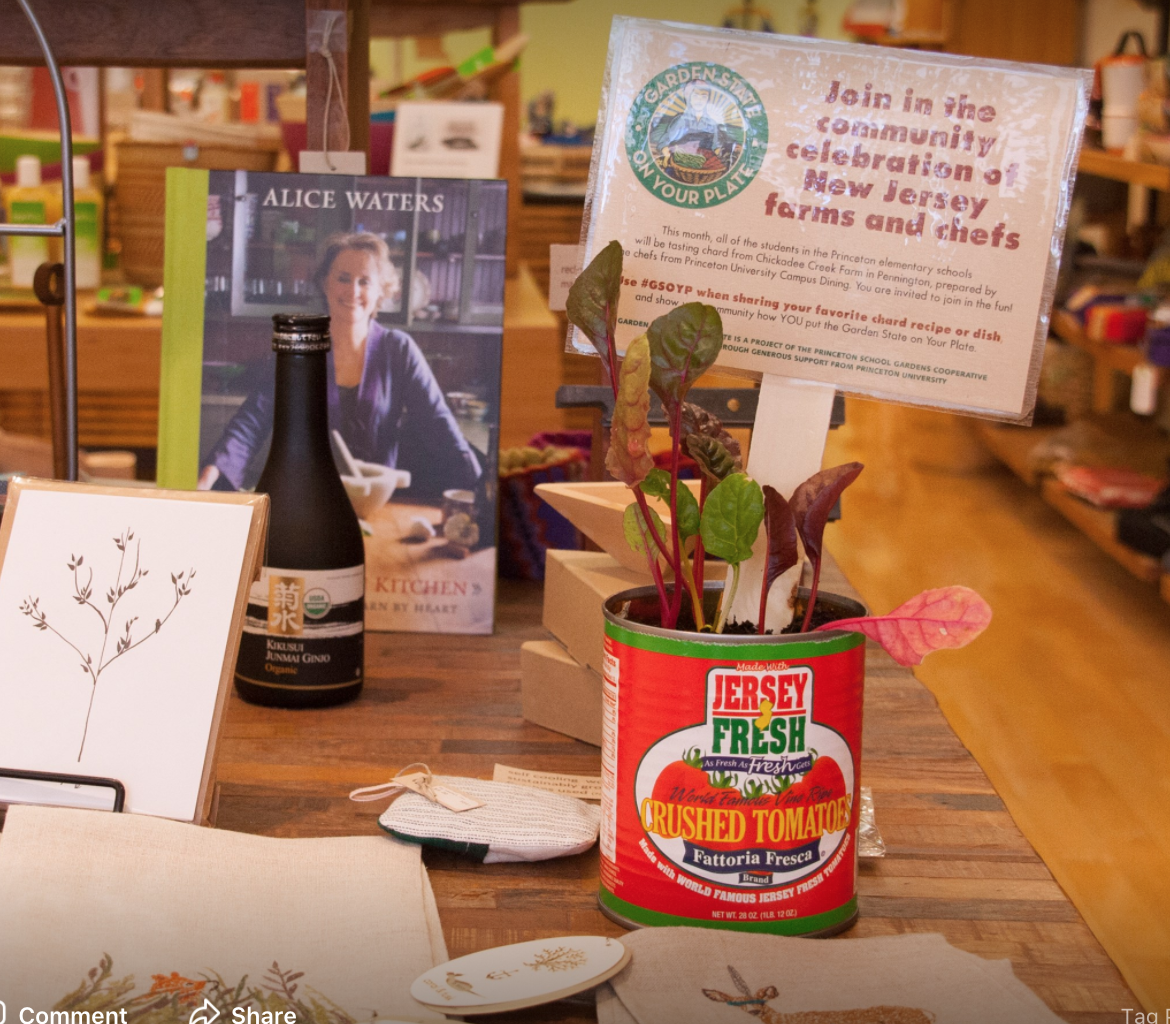
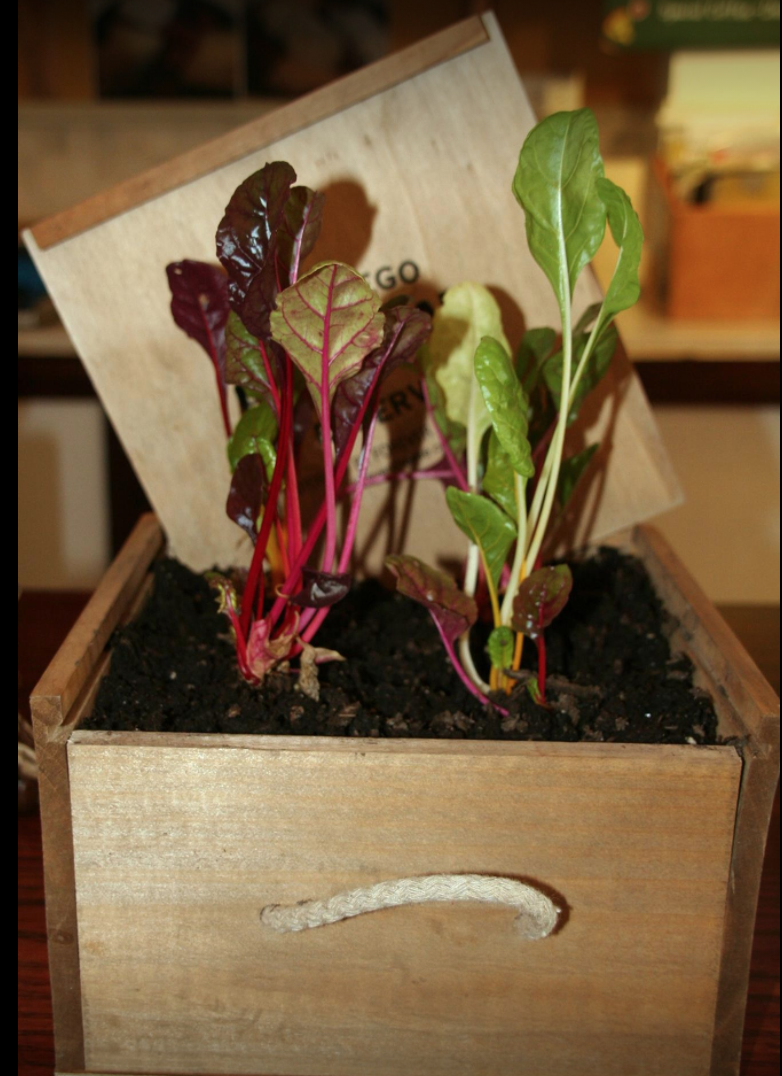
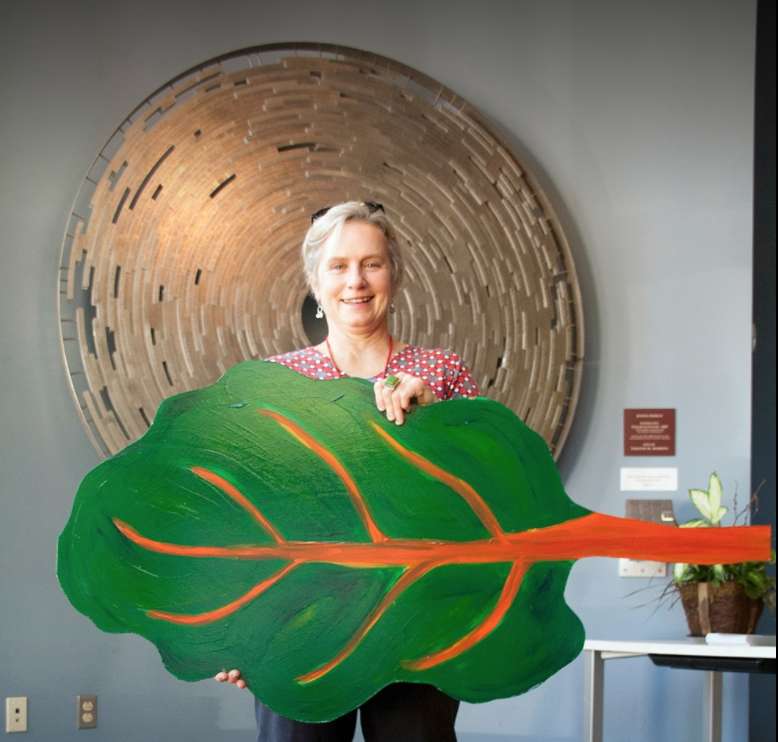
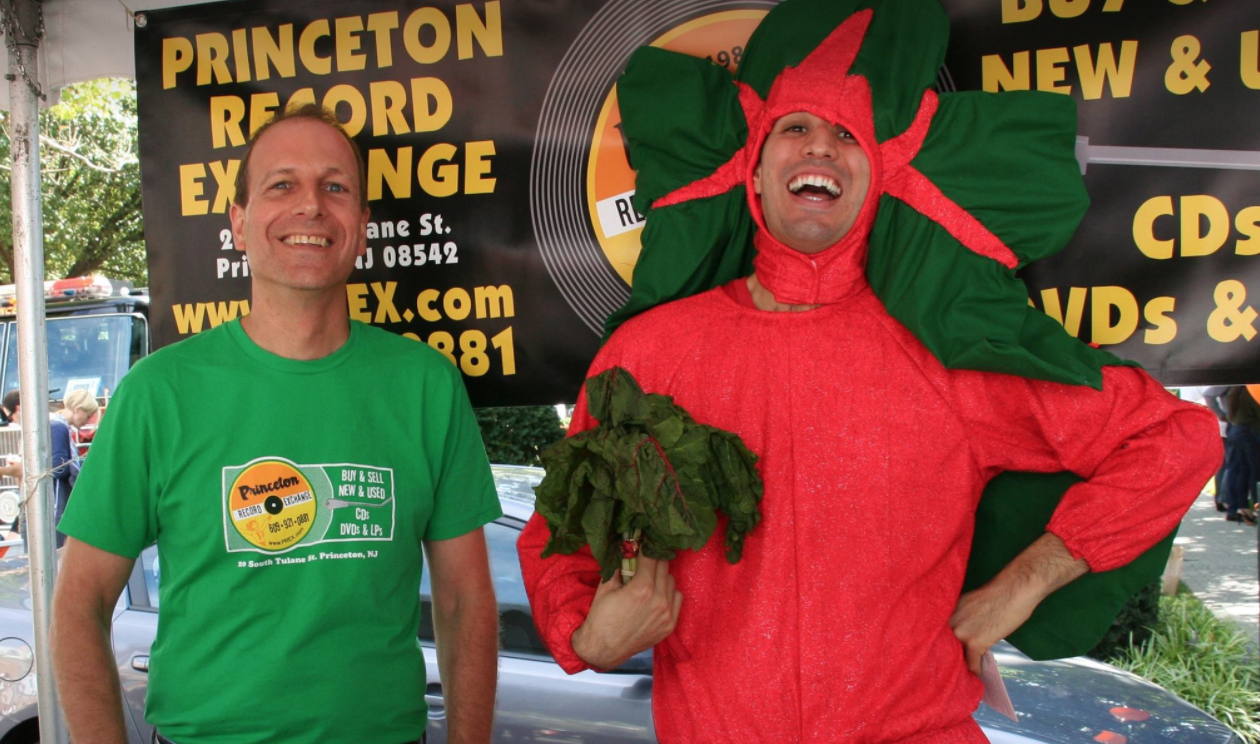
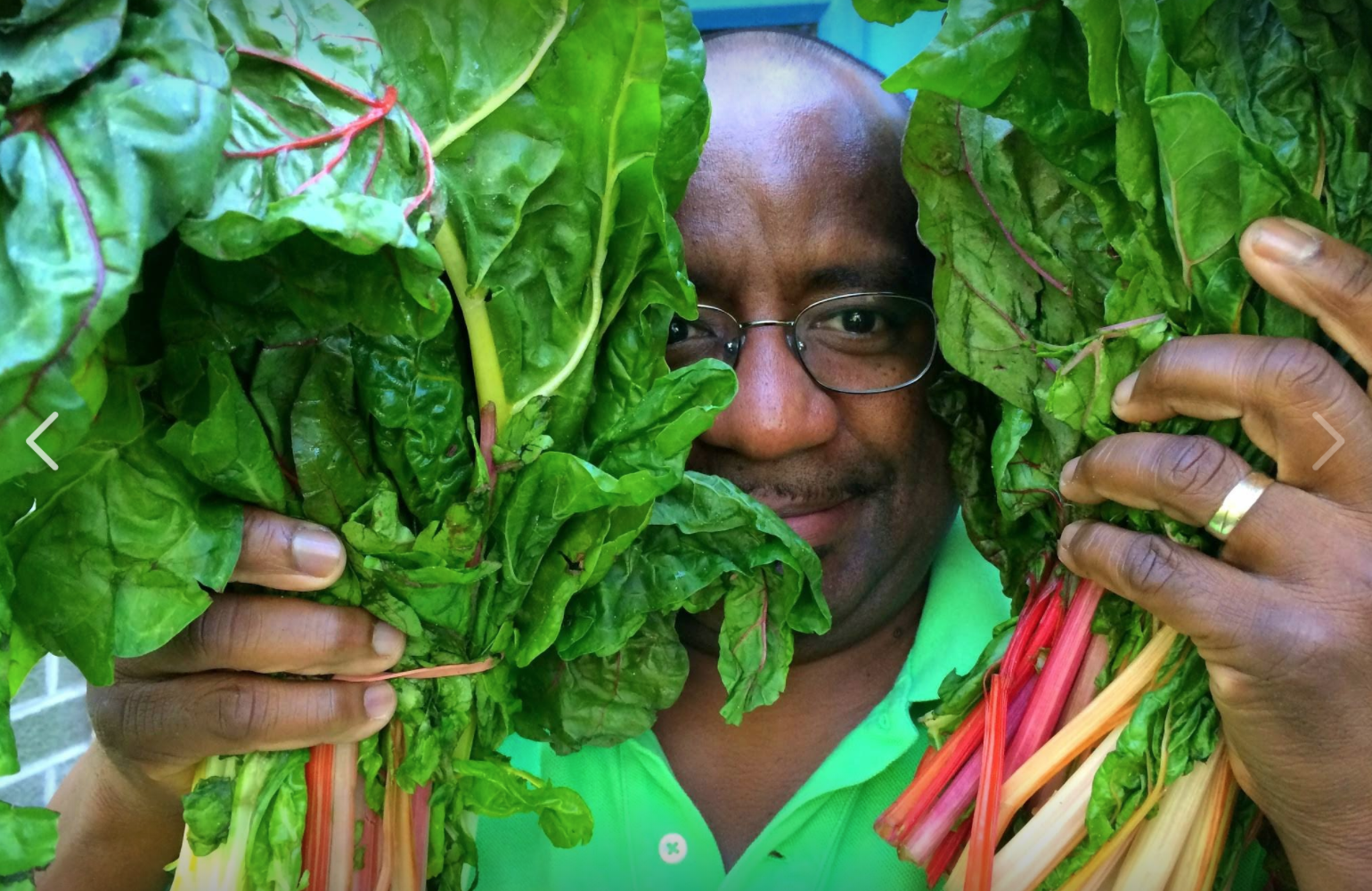
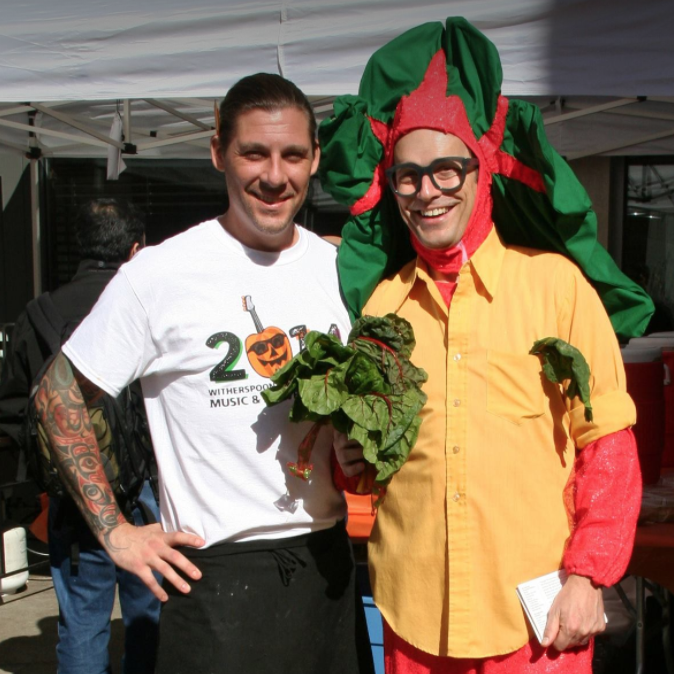
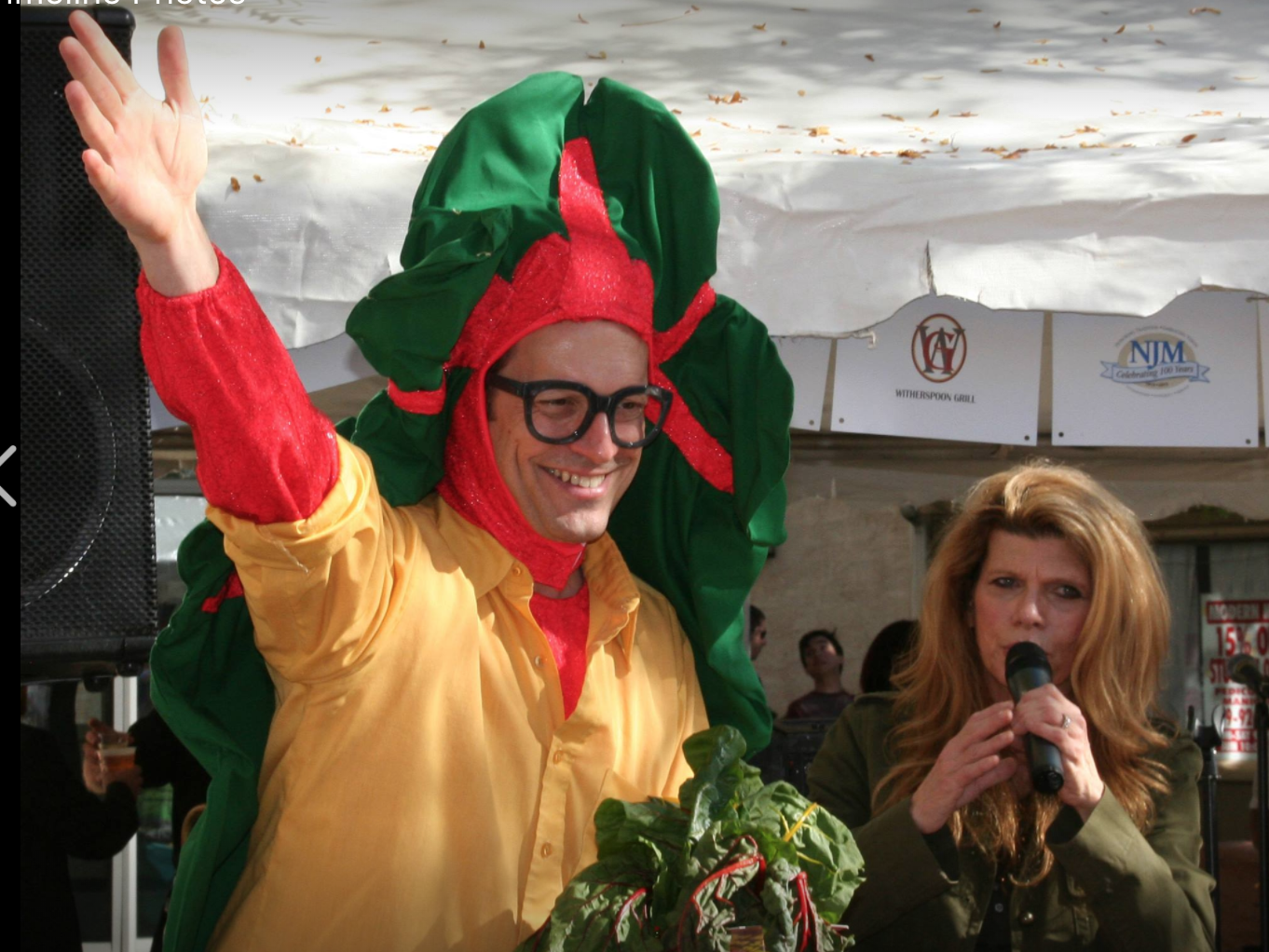
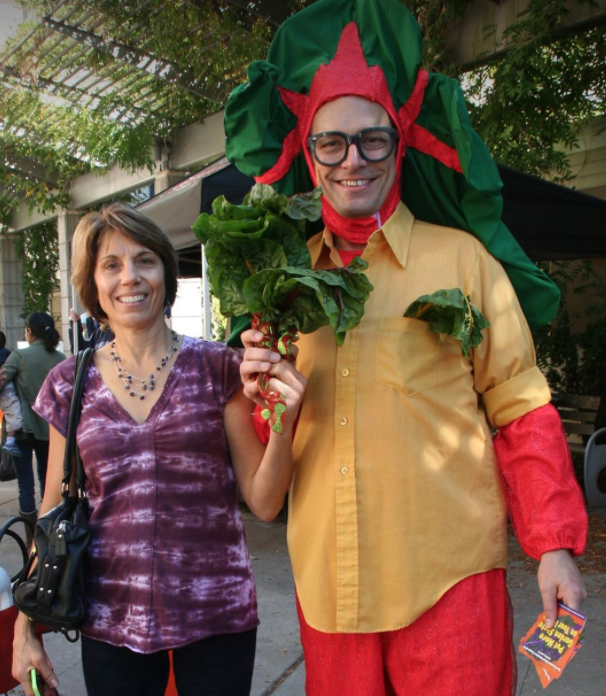
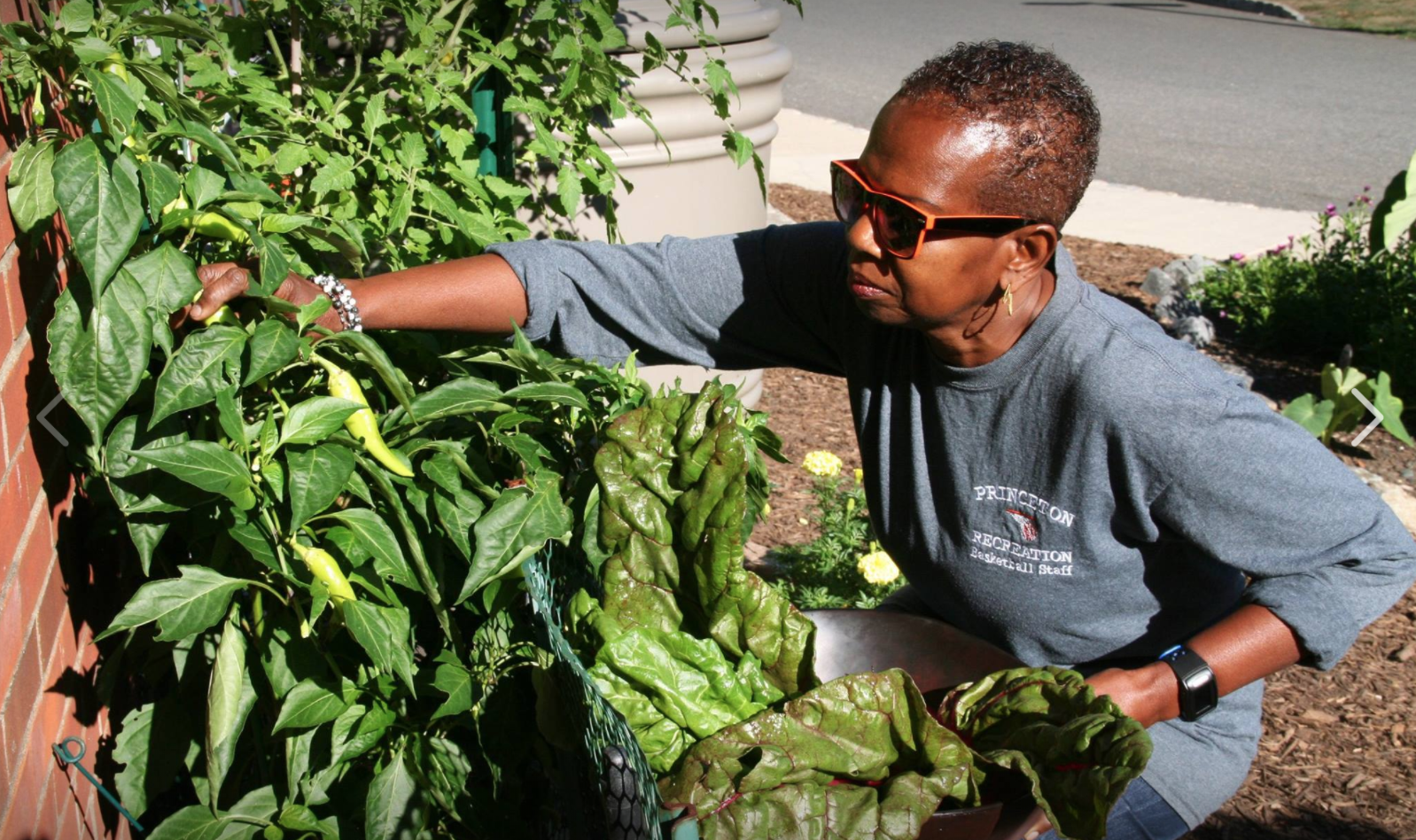
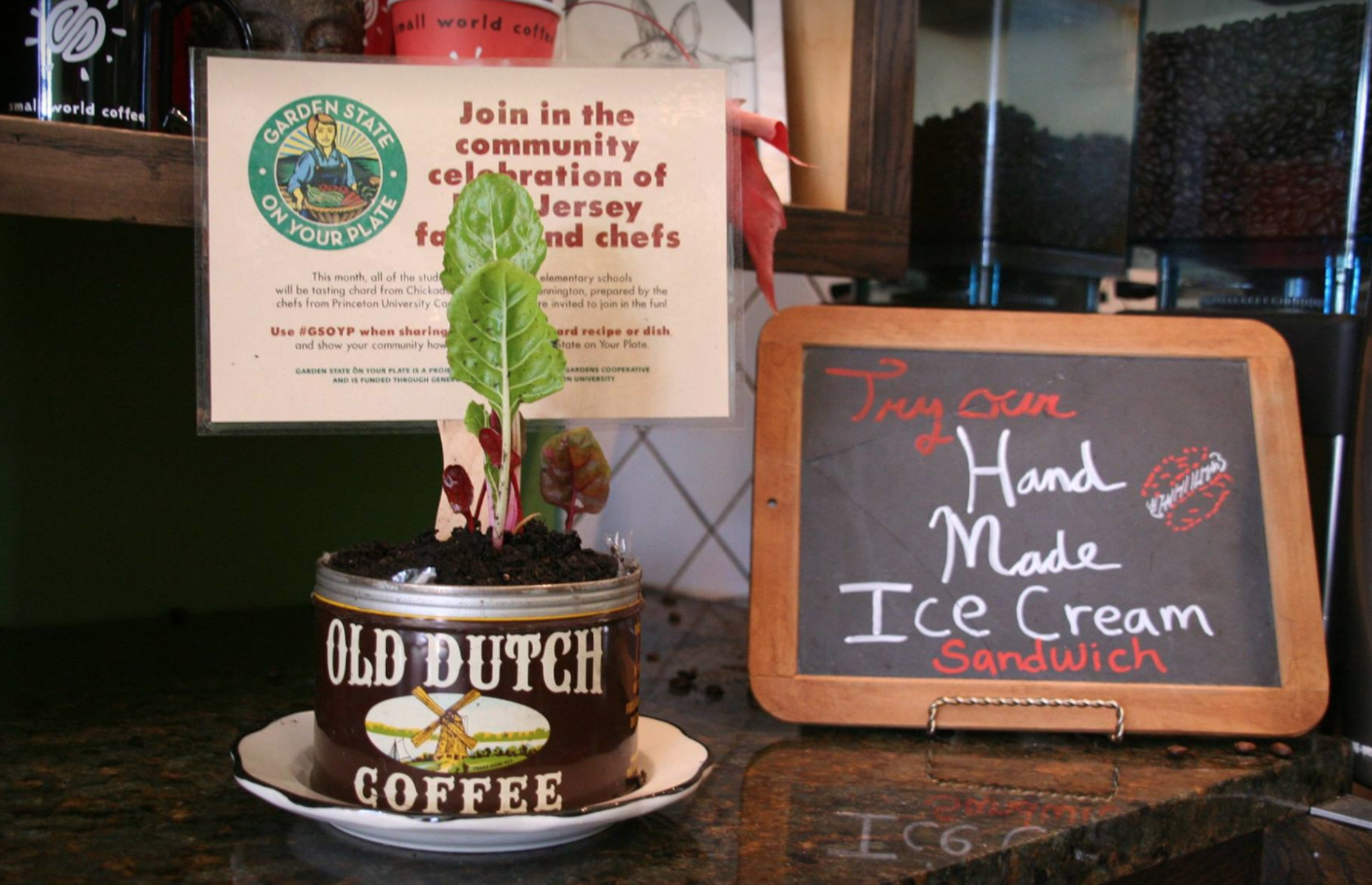
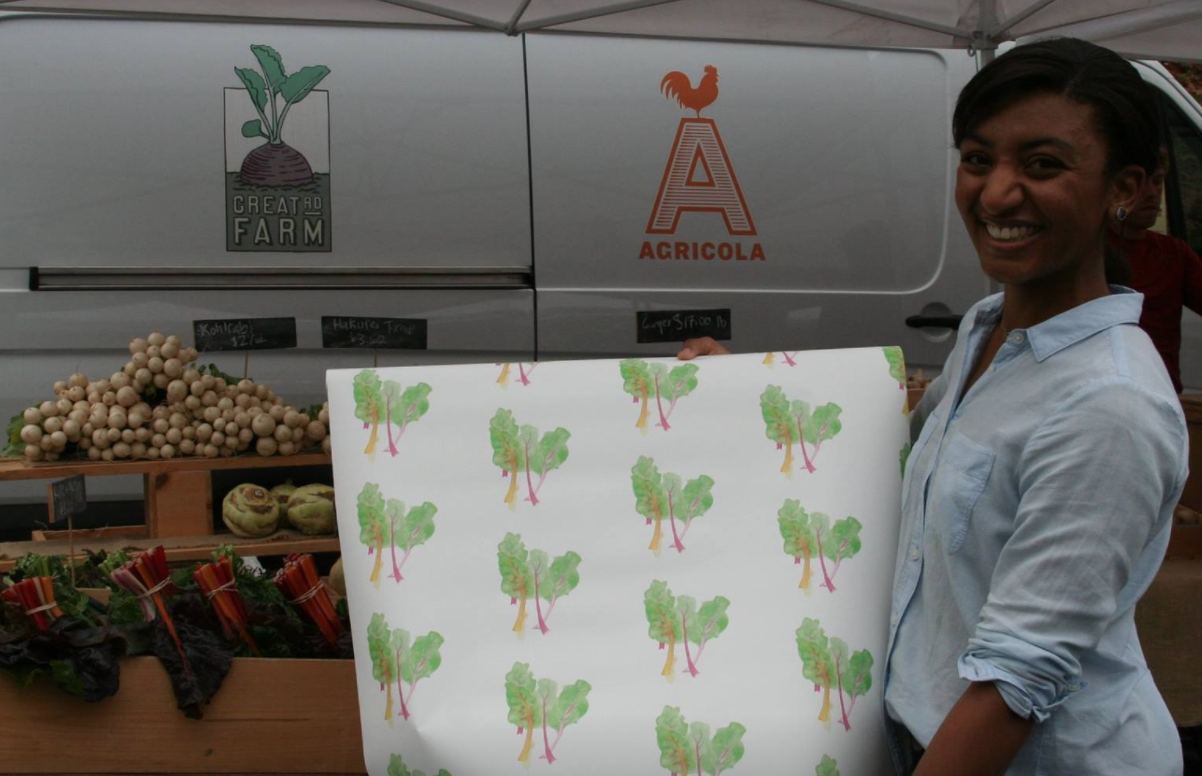
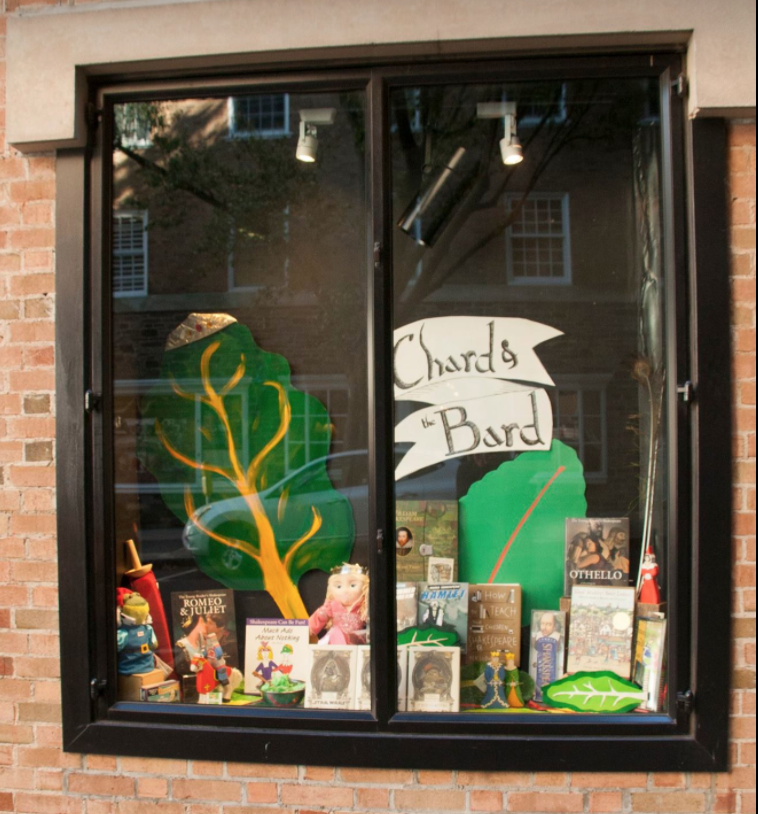
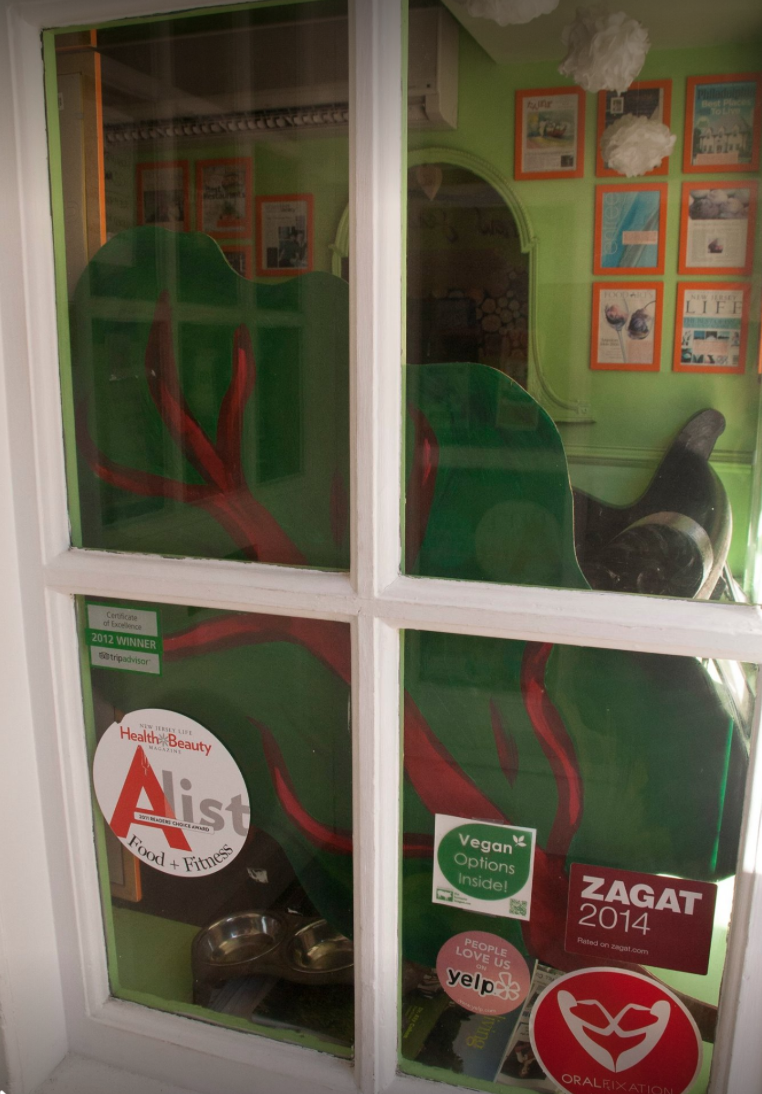
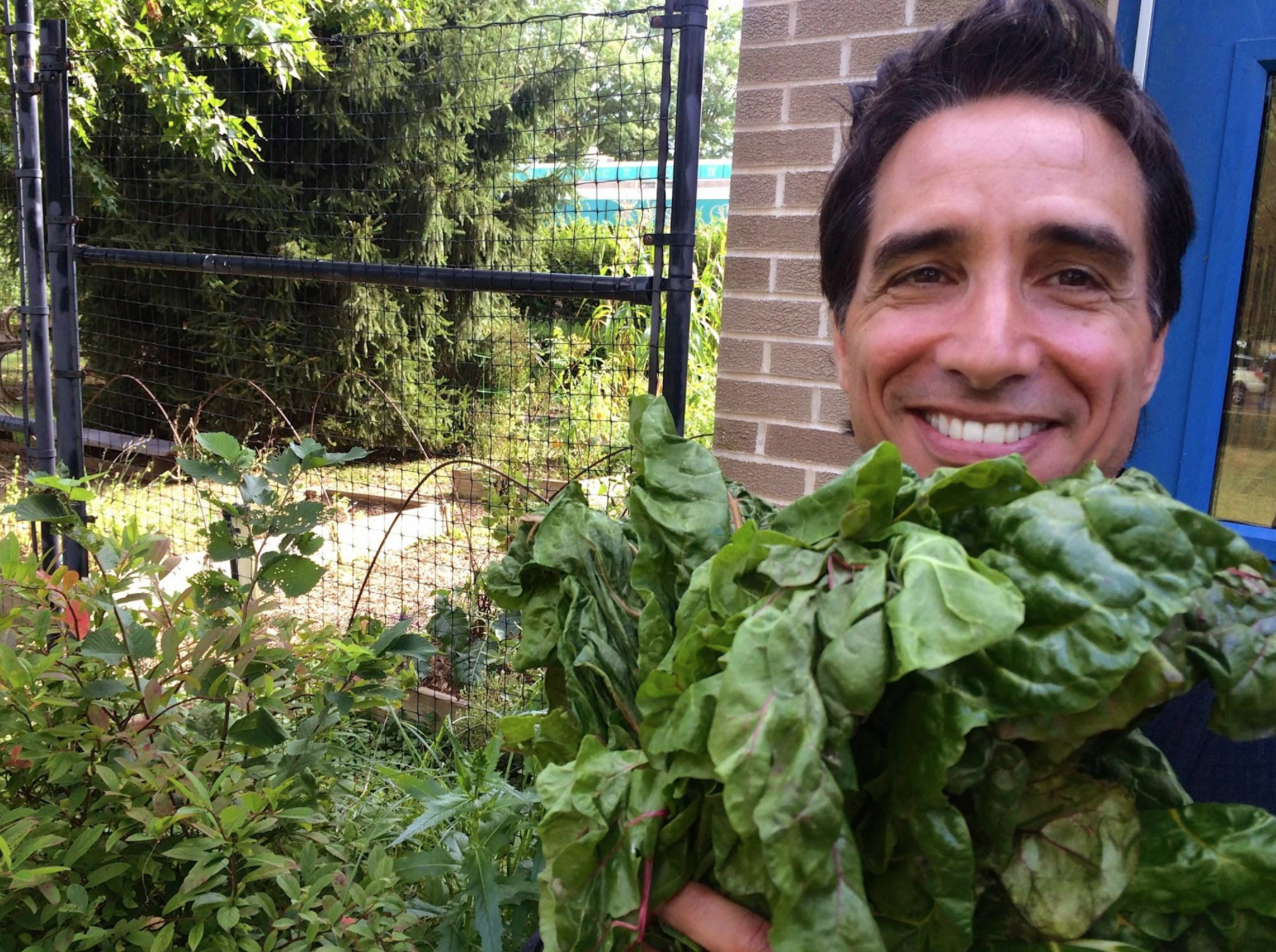
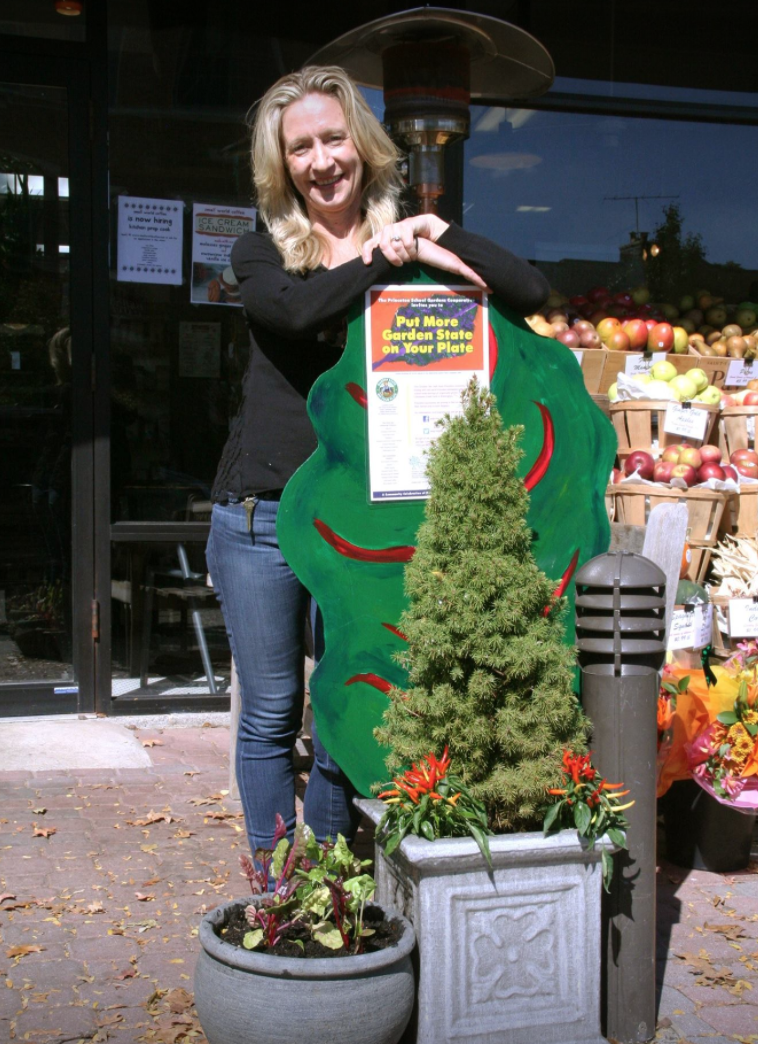
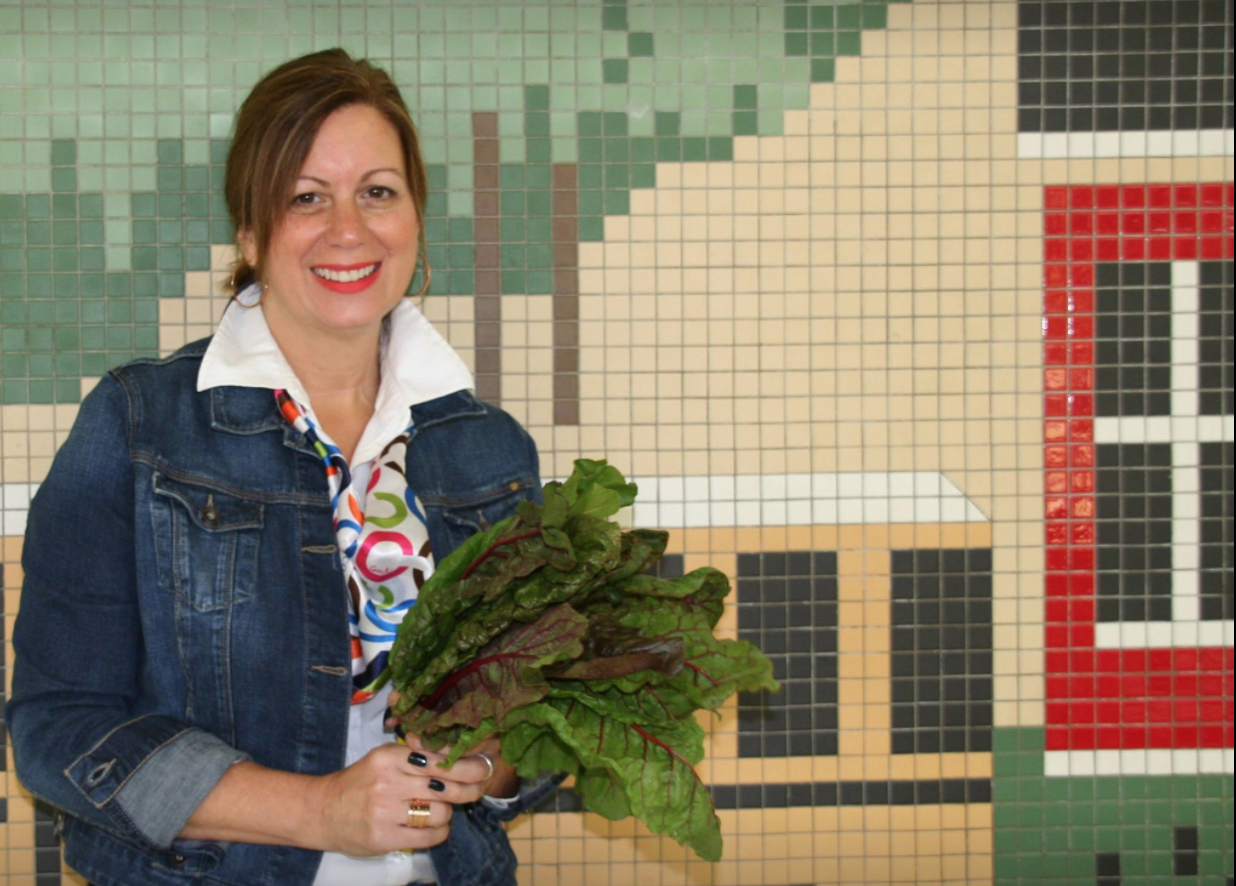
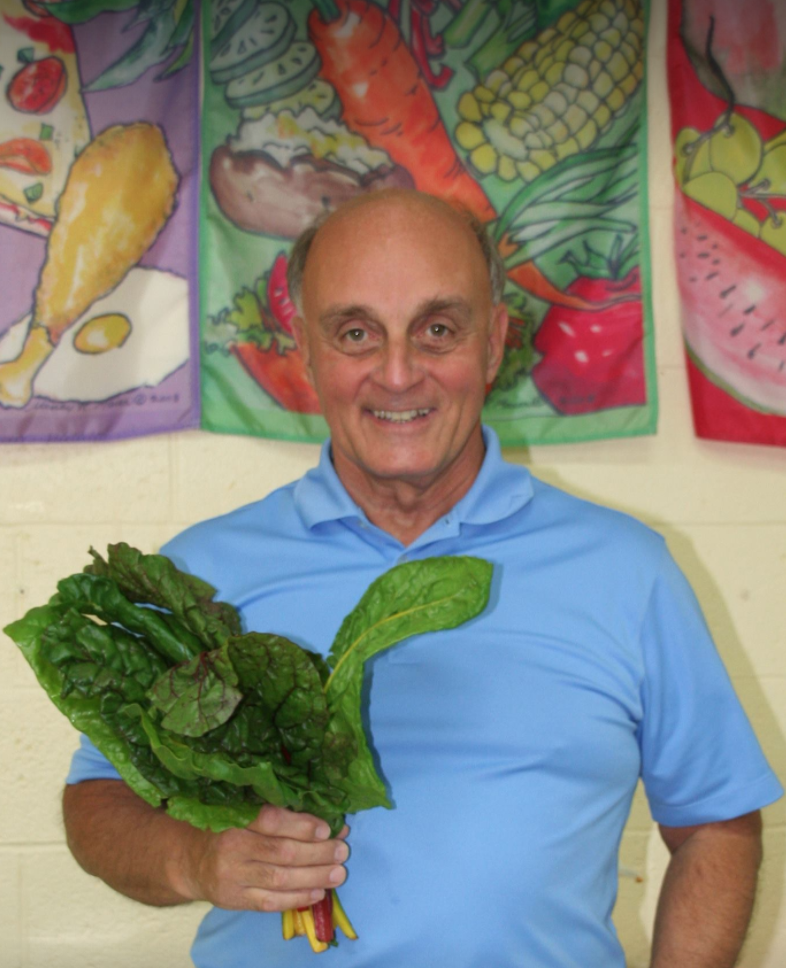
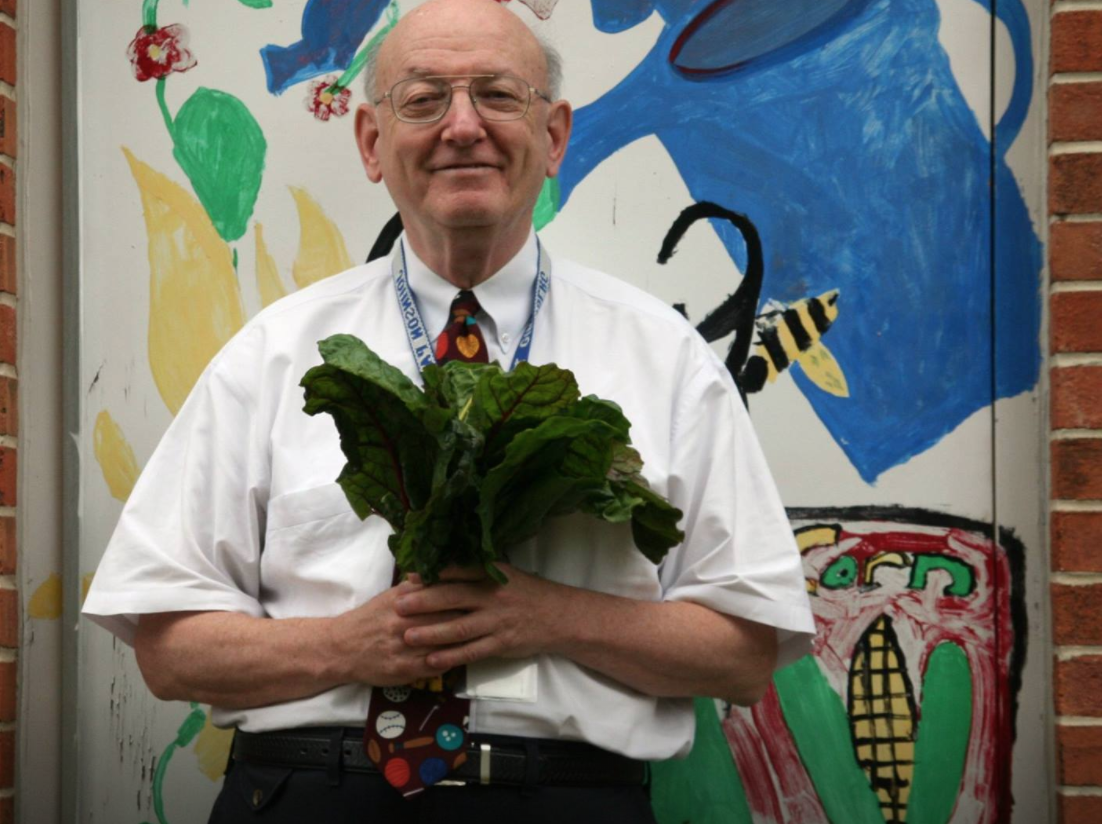
Everyone got into the game of Swiss chard for fall 2014 – from toy store owners to artists to restaurateurs to bookesellers, and all the teachers in between. Here’s a selection of chard-core Princeton, under the direction of Fran McManus, board member.

The art of chard

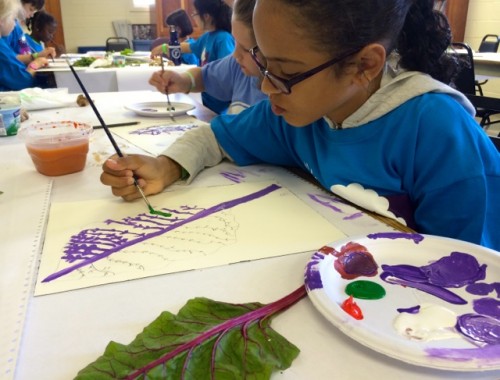
Olivia Giblin and other YMCA summer camp participants painted pictures of Swiss chard and other produce that will be spotlighted at all K-5 schools for PSGC's Garden State on Your Plate program this school year. Children chose vegetables from the Princeton Farmers' Market under the direction of Martha Friend, science teacher at Littlebrook Elementary School, and were assisted in drawing and painting guidance by Maria Evans from the Arts Council of Princeton.
Olivia Giblin and other YMCA summer camp participants painted pictures of Swiss chard and other produce that will be spotlighted at all K-5 schools for PSGC’s Garden State on Your Plate program this school year. Children chose vegetables from the Princeton Farmers’ Market under the direction of Martha Friend, science teacher at Littlebrook Elementary School, and were assisted in drawing and painting guidance by Maria Evans from the Arts Council of Princeton.