
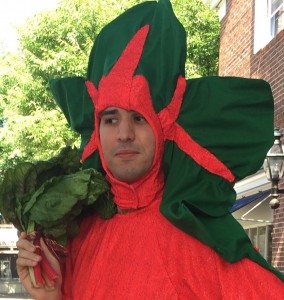
JW Iron Chef Food Literacy Program (Chef Jen Carson)
Yield: about 2 dozen
Ingredients:
Preheat oven to 375 degrees.
In a large bowl, sift together the flour, baking soda and salt. In another large bowl, beat together the butter with both sugars. Add the egg, milk, and vanilla to the butter mixture and beat well until the mixture emulsifies. Add the combined flour, baking soda, and salt to the butter mixture. Mix until completely combined. Fold in the cereal, dried fruit, and coconut. Mix until combined.
Drop dough by rounded tablespoons onto parchment-covered or ungreased baking sheets.
Bake for 9-11 minutes. Allow to cool one minute on the pan, then remove to wire rack to cool completely.
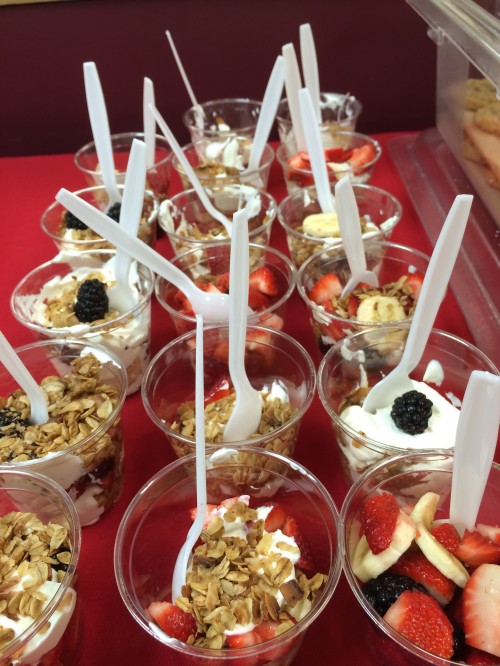
Ingredients:
Preheat oven to 375 degrees.
In a big bowl, combine the salt, canola oil, brown sugar, vanilla, maple syrup, and cinnamon.
Add the oats and coconut and coat with the sweet, wet mixture. Pour mixture into parchment-covered or greased baking sheet. Toast in oven for 15 minutes. Stir, then toast another 10 minutes if needed. Granola is finished when oats and coconut are golden brown, and the Maillard reaction and caramelization has occurred.
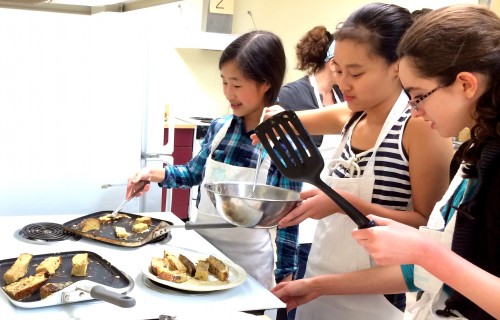
Yield: 8 slices
Ingredients:
Preheat oven to 375 degrees.
In a skillet, melt a tablespoon of butter over medium heat.
In a shallow container (like a pie plate), combine the cinnamon, sugar, eggs, milk, and vanilla. Whisk until combined.
Dip bread into egg mixture. Fry slices until golden brown, then flip to cook the other side. Keep slices warm in the oven while you dip and fry the remaining slices. (Add more butter to the pan as needed.)
Serve warm with maple syrup, fresh berries, and/or powdered sugar.
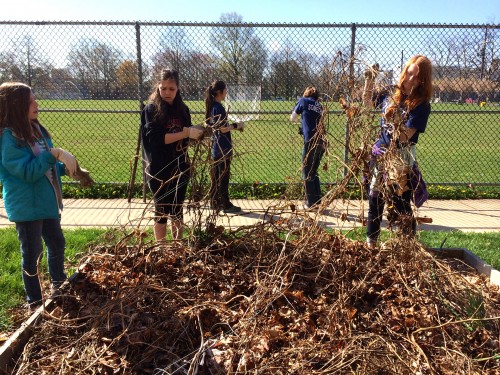
PHS garden was a success, with students planting wheat and the Gardening as PE class continuing.
Johnson Park Edible Gardens are safely tucked within a courtyard, safe from deer. Restoration of the garden beds is under way. Email Anna Rose Gable, our PSGC Edible Gardens coordinator, to volunteer, or to be connected with the JP Edible Gardens steward/educator.
In 2007, Dorothy Mullen, Master Gardener and co-founder of the Princeton School Gardens Cooperative, worked with teachers to create and publish a how-to booklet. The book has chapters on composting and planting, herb gardens, lessons plans, recipes, field trips, curricular links, and more. To view and print the PDF, click on the image. 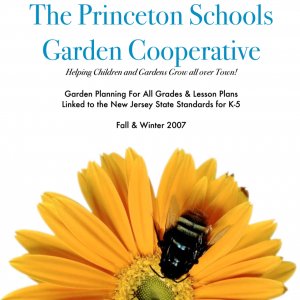
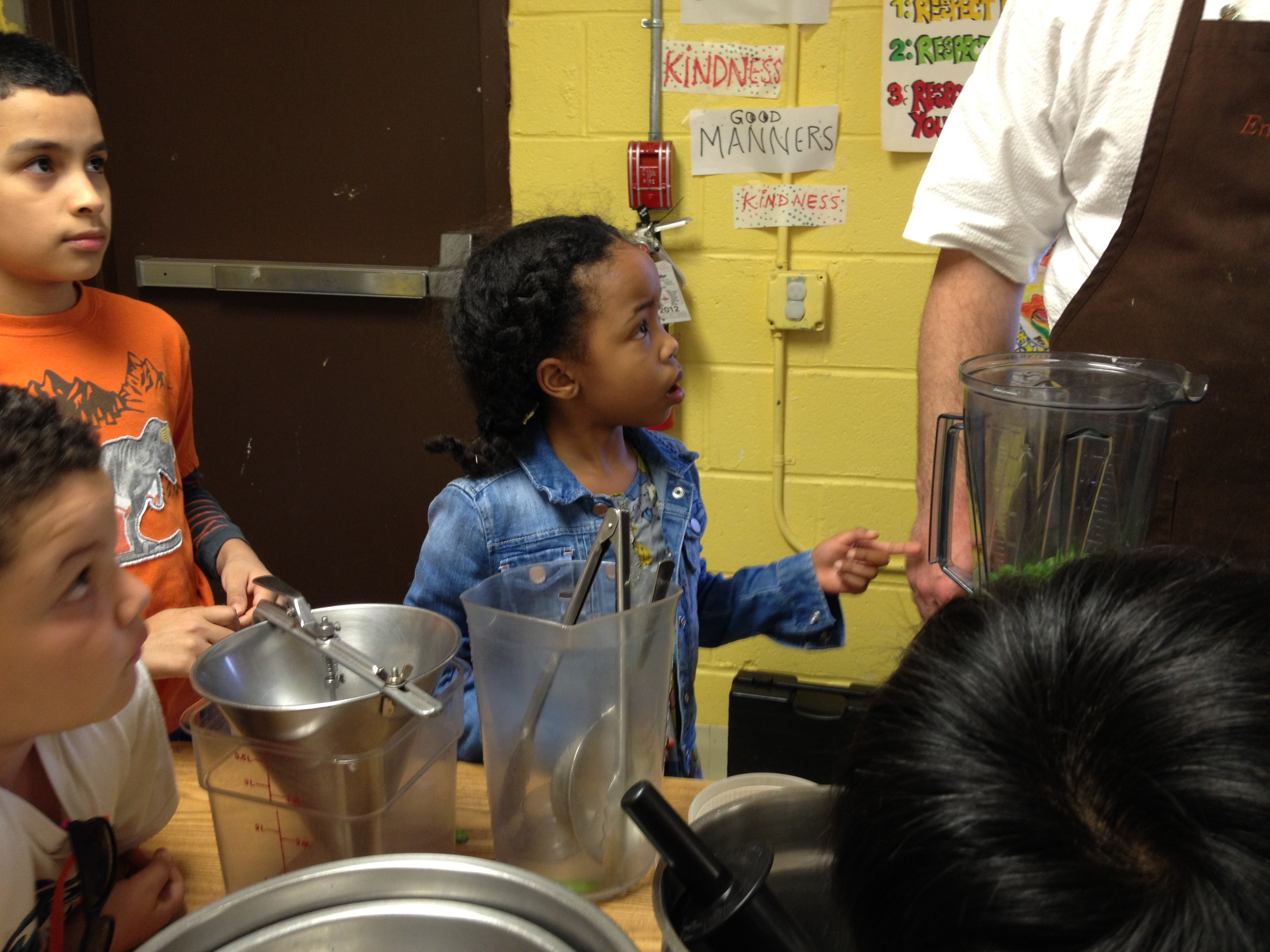 From the first spade of soil turned nearly a decade ago, we have worked as a community, sweaty shoulder to sweaty shoulder, deepening and broadening the reach of Princeton School Gardens Cooperative programs to improve all children’s self-reliance, health and appreciation of the natural world through garden- and food-based education.
Now we can all do even more – while making everyday purchases around town.
Here’s how it works: Local businesses partner with Heartland Payment Systems, a Princeton-based company, to offer the OnePrinceton card, similar to a debit card. When you sign up for a free OnePrinceton membership (click here for information and to sign up), you link your membership to your own bank account. Then, you use the OnePrinceton card to buy goods and services, as you would a debit card.
The benefit comes next: OnePrinceton members choose a local nonprofit to receive a donation of 1 percent of the total pre-tax purchase from the member merchant, who in turn pays a smaller fee for this kind of transaction processing than he/she would for a credit card transaction.
One percent here, 1 percent there, and pretty soon, we have the funds for a class field trip, a school-wide tasting, a scholarship for a teacher, or for a chef to teach cooking classes at an after-school program.
Delicious, right?
Please consider signing up for a free membership with OnePrinceton.
And please do choose the Princeton School Gardens Cooperative as your beneficiary.